
When your back or neck pain starts to limit how you move, work, or enjoy daily life, it can feel frustrating and worrying. What you may have once considered manageable can slowly become constant, restrictive, and exhausting.
In some cases, these symptoms are caused by instability or damage within the spine. When this happens, spinal fusion surgery may be recommended to improve stability and reduce pain. This article explores when spinal fusion is needed, what it is, and what the recovery process can involve.
What is Spinal Fusion?
Spinal fusion is a surgical procedure that permanently joins two or more vertebrae (the small bones that make up the spine). The goal is to stabilise the spine by eliminating movement between the affected segments.
The theory behind spinal fusion is that by stopping motion in a painful or unstable part of the spine, irritation to nerves and surrounding structures is reduced, allowing pain to ease and the spine to function more effectively. Over time, the fused vertebrae heal together into a single, solid bone.
When is Spinal Fusion Necessary?
Deciding when spinal fusion is necessary depends on the condition and symptoms. Imaging findings and daily impact also matter. Every case is assessed individually after a full clinical evaluation.
Generally, spinal fusion is not the first of line treatment. It is considered if non-surgical options like physiotherapy or medication do not relieve symptoms, or if a structural issue causes instability or nerve compression.
Common reasons for spinal fusion surgery to be considered include:
- Degenerative disc disease, a condition where the discs (soft tissues between the bones of the spine) break down, leading to pain or instability
- Spinal instability, including conditions such as spondylolisthesis
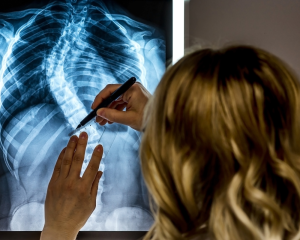
- Spinal deformities, such as scoliosis or kyphosis
- Fractures or trauma, where stabilisation is needed to support healing
- Spinal tumours or infection, when part of the spine needs to be removed and stabilised
- Severe spinal stenosis, where nerve compression is associated with instability
Surgery Procedure: How Does Spinal Fusion Work
How does a spinal fusion work exactly? Techniques vary, but the general process is similar. Think of it as like welding. The surgeon prepares the affected vertebrae and places bone graft material between them. This graft may come from the patient, a donor, or be synthetic. Over time, the bone grows, and the vertebrae fuse.
Metal implants like screws, rods, or plates are commonly used to stabilise the spine during the healing process and ensure proper fusion. Surgery can be approached from the front, back, side, or a combination of these, depending on the specific area of the spine being addressed. The technique used is selected based on the individual’s anatomy, the underlying condition, and the surgical goals.
Healing Spinal Fusion: Recovery Timeline
Recovery after spinal fusion is gradual and varies by person, surgery type, and spine area. Overall health and surgery complexity also affect healing.
Early in recovery, activity is limited to support the healing of spinal fusion. Pain management, wound care, and gentle movement are important. As you heal, physiotherapy may help with strength, mobility, and posture.
A spinal fusion recovery timeline may include:
First few weeks: rest, wound healing, and light activity
Weeks to months: gradual increase in movement with guided rehabilitation
Several months and beyond: continued healing as the fusion strengthens
When to Seek Further Advice
If back or neck pain is affecting your daily life, or if you are noticing weakness, numbness, or difficulty with movement, it may be time to seek further advice. Your doctor can help arrange appropriate assessment and imaging if needed.
Book your appointment at Macquarie Neurosurgery and Spine for an assessment or second opinion. Our professional team takes a collaborative approach to caring for complex spinal conditions, working closely with other specialists to ensure both surgical and non-surgical options are carefully considered.
Disclaimer
All information is general and is not intended to be a substitute for professional medical advice. Macquarie Neurosurgery and Spine can consult with you regarding your individual health needs.
Any surgical or invasive procedure carries risks. A second opinion may help you decide if a particular treatment is right for you.
References
- American Academy of Orthopaedic Surgeons (AAOS). Spinal Fusion. https://orthoinfo.aaos.org/en/treatment/spinal-fusion/, [Accessed 14 January 2026]
- Penn Medicine. Spinal Fusion. https://www.pennmedicine.org/treatments/spinal-fusion, [Accessed 14 January 2026]
- Cleveland Clinic. Spinal Fusion. https://my.clevelandclinic.org/health/treatments/25168-spinal-fusion, [Accessed 14 January 2026]