
Children’s brains and nervous systems are still developing throughout childhood. Because of this, neurological conditions in children need careful assessment and specialised care. Paediatric neurosurgery focuses on diagnosing and treating problems that affect the brain and spine during these key stages of growth.
In this guide, we will explore some of the most common paediatric neurosurgical conditions, discuss their treatment options, and explain what you and your family can expect throughout the care journey.
What Is Paediatric Neurosurgery?
Paediatric neurosurgery is a specialised field focused on diagnosing and managing conditions that affect a child’s brain, spine, and nervous system. These issues can be present from birth, develop as your child grows, or arise suddenly after an illness or injury.
Paediatric neurosurgeons have specific training in caring for infants, children, and teenagers. They understand how the brain and spine change throughout childhood and adolescence. Treatment plans are always tailored to your child’s age, stage of development, overall wellbeing, and the particular condition being treated.
Paediatric Brain Tumours and Surgical Care
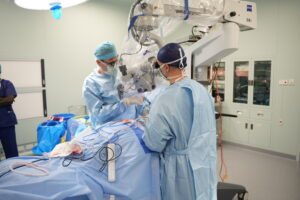
Brain tumours in children vary widely in type, location, and behaviour. Diagnosis usually involves imaging scans such as MRI or CT, along with a detailed clinical assessment. In some cases, surgery is required to remove part or all of the tumour, confirm the diagnosis, or relieve pressure on the brain.
Parents often want to know what to expect about life after a brain tumour surgery. Recovery varies for each child and depends on the type of surgery, where the tumour was located, and whether further treatment is needed. Some children may experience temporary side effects such as tiredness, headaches, or changes in coordination, which are carefully monitored during follow-up appointments.
CSF Disorders in Children
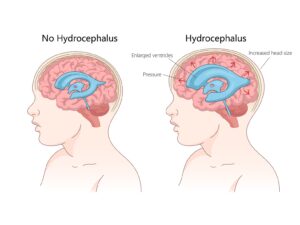
Cerebrospinal fluid (CSF) is the clear liquid that cushions and protects the brain and spinal cord. When CSF does not flow or drain properly, it can lead to a group of problems called CSF disorders.
Hydrocephalus is one of the most common CSF disorders in children. It happens when there is a build-up of fluid in the brain. Other CSF problems include leaks, where fluid escapes through a defect in the tissues around the brain or spine. CSF leak treatment depends on the cause and severity and may involve monitoring, medication, or, in some cases, surgery. Careful assessment helps decide the best treatment approach for your child.
Congenital Neurological Conditions
Some neurological conditions are present from birth, but may only be discovered early in life or later during childhood. One example is Chiari malformation, where part of the brain extends into the spinal canal.
Many parents wonder how serious a Chiari malformation is. The answer varies from child to child, as symptoms and severity can differ widely. Some children may require monitoring only, while others may benefit from Chiari malformation surgery if symptoms begin to affect daily activities, neurological function, or development. Decisions about treatment are guided by a child’s symptoms, imaging findings, and overall growth and development, with care tailored to each individual child.
Paediatric Spinal Conditions and Surgery
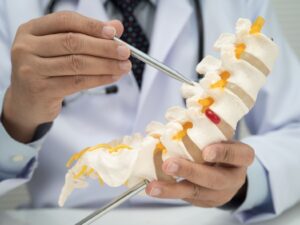
Paediatric neurosurgeons also care for spinal conditions in children. These can include problems with the spinal cord, spine alignment, or pressure on the nerves.
The type of spine surgery depends on the specific condition being treated. Surgical approaches are selected carefully to minimise disruption to growth and support recovery. After surgery, children are monitored closely, and recovery times vary depending on the procedure and the child’s overall health. Rehabilitation and follow-up care are often important parts of the recovery process.
The Referral Process and Patient Journey
The journey with paediatric neurosurgery usually starts with a referral from your GP, paediatrician, or another specialist. At the first appointment, we review your child’s medical history, symptoms, and any scans, then discuss our findings and possible next steps.
Care is planned with the child and family in mind, allowing time for questions and shared decision-making. Families are supported throughout assessment, treatment, and follow-up, with clear communication at each stage.
Seeking Further Information or Care
If your child has been diagnosed with a neurological condition or referred for specialist assessment, learning more about paediatric neurosurgery can help you feel more prepared for conversations with your medical team.
At Macquarie Neurosurgery and Spine, we offer holistic care with a multidisciplinary team and consultations for a wide range of paediatric neurosurgical conditions. If you would like to discuss your child’s situation or need more information, you can book an appointment at a time that suits your family.
Disclaimer
All information is general and is not intended to be a substitute for professional medical advice. Macquarie Neurosurgery and Spine can consult with you regarding your individual health needs.
Any surgical or invasive procedure carries risks. A second opinion may help you decide if a particular treatment is right for you.
References
- Stoodley MA, et al. Hydrocephalus overview, National Center for Biotechnology Information Bookshelf, https://www.ncbi.nlm.nih.gov/books/NBK225562/, [Accessed 4 February 2026]
- What is a paediatric neurosurgeon, HealthyChildren.org, https://www.healthychildren.org/English/family-life/health-management/pediatric-specialists/Pages/What-is-a-Pediatric-Neurosurgeon.aspx, [Accessed 4 February 2026]
- Recovering after brain surgery, Cancer Research UK, https://www.cancerresearchuk.org/about-cancer/childrens-cancer/brain-tumours/treatment/recovering-after-brain-surgery, [Accessed 4 February 2026]
- What is a neurologic disorder, Child Neurology Foundation, https://www.childneurologyfoundation.org/what-is-a-neurologic-disorder/, [Accessed 4 February 2026]